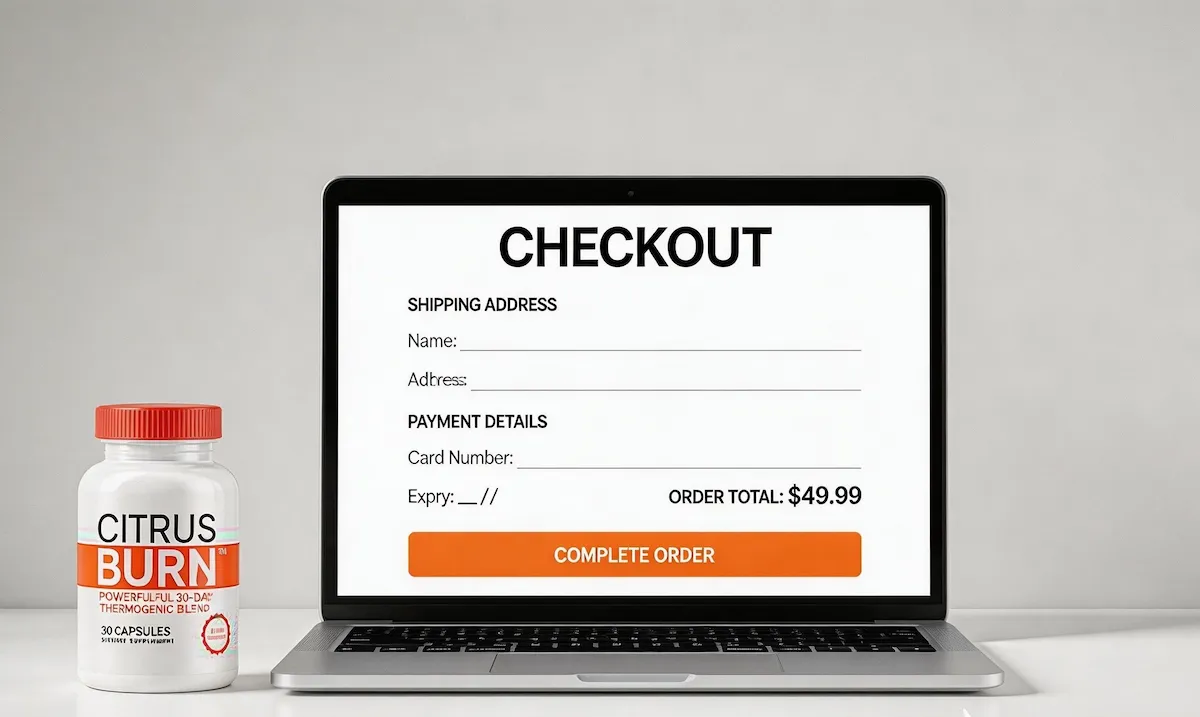
- Coupon code usually suggests a traditional checkout discount field.
- Bundle discount usually means pricing changes by quantity, not by code.
- Promo page may be informational, outdated, or simply a redirect layer.
- Most coupon searches are really attempts to find the best official deal, not a true code.
- Third-party coupon pages can make normal bundle pricing look like an exclusive discount.
- Official pricing structures are more useful than random promo-page promises.
- When in doubt, verify the current official price and checkout terms directly.
- Clarity matters more than hype when comparing “deal” pages.
What people usually mean when they search for a Citrus Burn coupon
Most people are not necessarily looking for a technical coupon code. They are trying to find the lowest legitimate price, understand whether a better deal exists, and avoid wasting money on misleading pages.
In practice, “coupon” often becomes shorthand for any lower-looking offer — even when the pricing is actually just part of the official bundle structure.
Why coupon pages can create confusion
Coupon-style pages often compress several different things into one message: bundle discounts, temporary promotions, affiliate redirects, or vague claims about “today’s deal.”
What usually causes the confusion
- Some pages imply a special coupon code exists when the offer is simply a standard multi-bottle discount.
- Some pages repeat the same wording across many domains.
- Some pages prioritize urgency instead of clarity.
What matters more than the word “coupon”
The more useful question is not “Is there a code?” but “Does this offer match the current official pricing and checkout terms?”
That is why verification matters more than labels like “coupon,” “deal,” or “exclusive promo.”
How Citrus Burn discounts usually work in practice
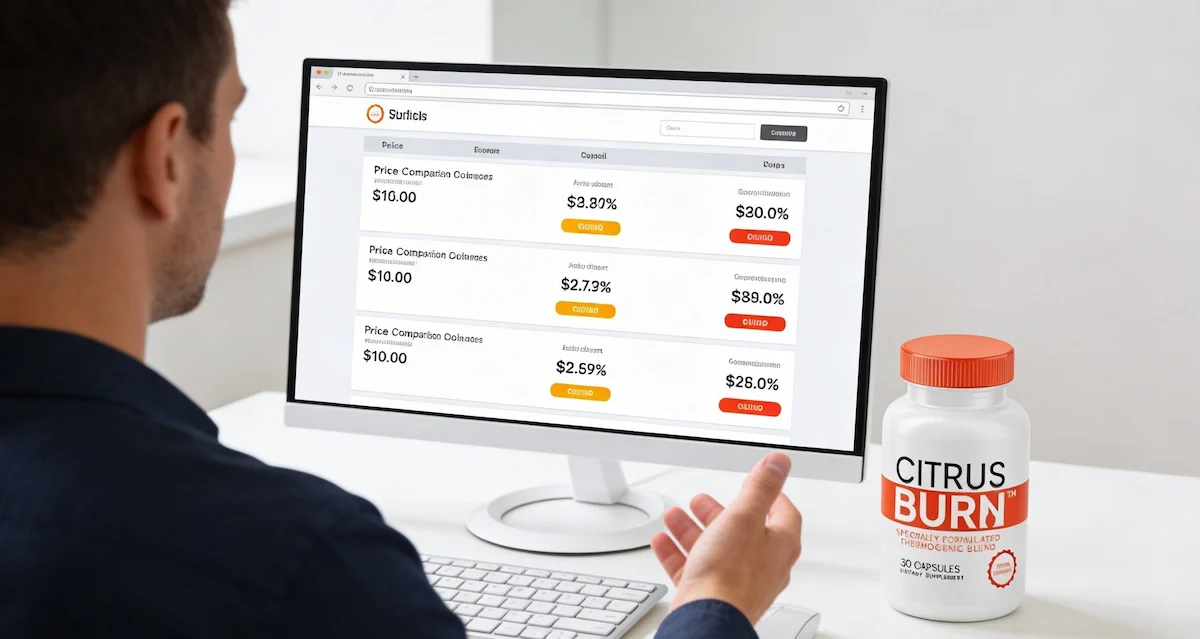
In many supplement funnels, pricing is structured around bundle quantity rather than around a coupon-code system. That means what looks like a “coupon deal” may simply be the current official bundle configuration.
What to pay attention to
- Whether the pricing changes by bundle size
- Whether the final checkout total is visible before payment
- Whether refund and support terms are readable and current
How to think about coupon-style claims
Instead of assuming every discount page is either “real” or “fake,” it helps to separate page types by usefulness.
1. Useful official verification pages
These help confirm current price, bundle options, and checkout terms clearly.
2. Low-quality promo pages
These may recycle language, overuse urgency, or create the impression of a special code that does not really exist.
3. Redirect-heavy coupon pages
These often capture “coupon” traffic and push the user elsewhere without adding any real clarity.
4. Clean decision pages
These explain how discount logic works and help users verify offers instead of guessing.
What coupon-style marketing often gets wrong
- It overstates exclusivity: many “exclusive” deals are just normal bundle offers.
- It hides context: discount claims without terms are not very useful.
- It blurs the difference: between official pricing and third-party promo copy.
- It rewards urgency: when what the user really needs is verification.
Practical framing: what a careful buyer should do
A careful buyer does not need perfect certainty from every page. They need enough clarity to recognize when a coupon-style claim is probably just a repackaged pricing message.
That means checking whether the current offer makes sense relative to known bundle pricing, whether the checkout is transparent, and whether the support and policy routes are visible.
- Compare price structure instead of chasing random “secret” codes
- Prioritize readable policy terms over flashy savings language
- Use verification pages that reduce confusion, not increase it
How to read Citrus Burn coupon claims more intelligently
- Ask whether the page explains the pricing logic clearly
- Ask whether the deal looks like normal bundle pricing rather than a magical code
- Ask whether the checkout terms are visible before payment
- Ask whether the same offer can be confirmed through the official route
Related reading
These pages help answer the next questions people usually have after searching for coupons, deals, and discounts.
References
This page is primarily about verification logic, not about outcome promises. For broader consumer and supplement context, start with stable reference hubs.
FAQ
Are Citrus Burn coupons real?
Usually not in the classic coupon-code sense. Most discounts are better understood as official bundle pricing or promotional structure rather than a special code you manually apply.
Why do coupon pages look misleading sometimes?
Because many of them are designed to capture search traffic, not necessarily to explain how official pricing really works. That can make ordinary offers look more exclusive than they are.
Does a fake-looking coupon page always mean scam?
Not always. Some pages are simply low quality, outdated, or overly promotional. But if the pricing, terms, or support logic are unclear, they should not be treated as trustworthy.
How should I verify a Citrus Burn discount safely?
The safest way is to compare the current official price, bundle options, and checkout terms directly: see current price and discount details here.
Is this page medical advice?
No. LukeZen Research publishes educational content only. Nothing on this page is medical advice, diagnosis, or treatment.
Editorial standards
LukeZen Research pages follow a strict neutrality standard: educational tone, no diagnostic claims, no guaranteed outcomes, and transparency-first linking. Learn more on: About, Privacy, and Terms.
Update log
- Mar 25, 2026: Initial publication. Added coupon-verification framing, linked discount cluster, and built FAQ around coupon search intent.