Overview
Ingredient lists can be helpful, but marketing often uses “mechanism words” (thermogenesis, signaling, oxidation) to imply certainty. The key is dose + context: a compound’s effect depends on amount, timing, and your personal sensitivity.
Citrus Burn ingredients: what readers usually want to see first
If someone searches “Citrus Burn ingredients”, they usually do not want a detour. They want the ingredient lineup right on the page. So here it is in a simple, readable format before we get into interpretation.

Seville Orange Peel (p-synephrine)
Typically framed as a thermogenesis-support ingredient and often used in “fat-burning” style marketing language.
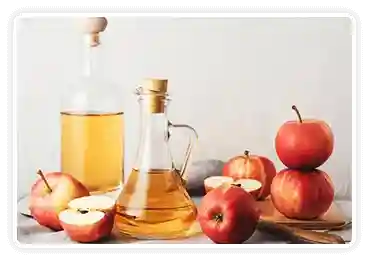
Spanish Red Apple Vinegar
Usually presented as a satiety-support ingredient and associated with fullness or appetite-routine messaging.

Andalusian Red Pepper
Commonly framed around calorie burn, heat, and meal-linked thermogenic language.
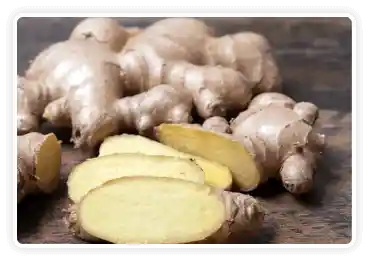
Himalayan Mountain Ginger
Usually positioned in craving-control and blood-sugar-support style narratives.
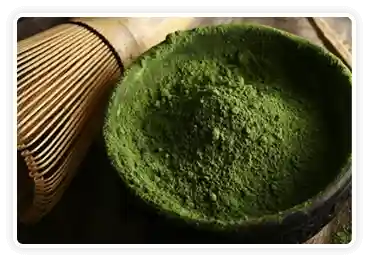
Ceremonial Green Tea
Often associated with fat oxidation, energy, and metabolism-support language.

Berberine & Korean Red Ginseng
Typically framed around metabolic balance, energy regulation, and broader wellness-support positioning.
Signals & context
Labels typically try to communicate one or more “targets”: appetite, energy, stress/cravings, or metabolic signaling. But evidence varies widely by ingredient, and effects are rarely linear. More is not automatically better.
Often framed as “fullness” or “craving control.” Check dose, and beware vague blends.
Sometimes from stimulants. Useful for some, unpleasant for others. Timing matters.
Usually means small shifts in energy expenditure or fat oxidation—not guaranteed fat loss.
Some labels imply calmer eating routines. Real impact often comes from habits + sleep.
Mechanisms (plain language)
Plain language: labels translate ingredients into stories—“burn fat,” “boost metabolism,” “balance hormones.” Reality is messier: some ingredients have better data than others, and effects depend on dose, duration, and the person.
How the ingredient story is usually built
The formula story typically combines a few different narrative angles at once: thermogenic ingredients, satiety-support language, energy-support language, and broader metabolic-balance framing. That makes the label sound comprehensive, but each ingredient still needs to be read in context rather than as proof of a guaranteed result.
Label checklist (fast, no drama)
- Serving size + directions: start here. If directions are unclear, that’s a red flag.
- Exact amounts: prefer labels that show dosages. Be cautious with proprietary blends.
- Stimulants: if caffeine or similar compounds are included, consider sensitivity and timing.
- Interactions: if you take meds or have conditions, consult a qualified professional.
- Claims: avoid “guaranteed” outcomes and fixed timelines.
Practical framing (without hype)
If you’re considering Citrus Burn, treat it as optional—evaluate it alongside stable basics (sleep, routine, protein, steps). Don’t stack multiple supplements blindly, and don’t “double dose” chasing faster results.
Resources
FDA — Dietary Supplements (consumer basics)
Related Citrus Burn pages (internal web)
- Citrus Burn Review Hub
- Dosage & Timing: why “more” isn’t better
- For Women: stress + sleep often matter more
- “Metabolism boost” claims: translating marketing into reality
Evaluate responsibly
If a page guarantees outcomes, treat it as a red flag. Verify details on the official page.
- Prefer official label instructions over forums.
- Be cautious with “miracle” framing and overconfident timelines.
- Consider context: sleep, stress, timing, and adherence often shape outcomes.
- If you have a medical condition or take medications, consult a qualified professional.
Closing thought
When you read labels well, you stop buying stories.
FAQ
Is this page medical advice?
No. This page is informational only and does not provide medical advice.
What ingredients are commonly listed in Citrus Burn?
This page summarizes the commonly presented lineup as Seville orange peel, Spanish red apple vinegar, Andalusian red pepper, Himalayan mountain ginger, ceremonial green tea, and a berberine plus Korean red ginseng combination.
How should I read a supplement label?
Start with serving size and directions, then check the ingredient list and amounts. Be cautious with proprietary blends and big claims that are not tied to clear doses.
Where should I verify product details?
Use the Review Hub for structure and the official page for current label + terms.